![Taking Action to Heal Our Childhood Wounds and Shift Our Limiting Beliefs]()
by Debra | Aug 27, 2014
 To dramatically shift our beliefs requires taking the action that is the exact opposite of what our inner child tells us to do. That right action can be seen as our “higher self” telling our little girl/boy that she/he is not going to buy into the childhood wound and old limiting belief. Then, we must not do what our inner child is suggesting. In order to change our belief systems that come from our wounding, we, as the adult must take direct action.
An example of this may be, your partner does something that triggers you and you think, “I can’t handle this, I’m walking out.” This is the advice of your inner child. Now, you can listen to that voice and walk out, and the consequences would be no resolution, no healing, and no connection with yourself or your higher power.
When we are triggered, we tend to feel a reaction in our body. Our chest tightens, tears come to our eyes, our jaws may clench. Whatever the reaction, if we don’t deal with the trigger, the wounding stays in our body and actually reinforces our old belief systems.
For example, if my partner starts telling me a story and I’m triggered in the middle of it, I need to speak my truth right there in the moment. If the person is familiar with you referring to your little girl, then you can say, “Sorry for interrupting but my little girl is triggered. She thinks there is something wrong with her and actually I know that’s not the truth. The truth is there is nothing wrong with her and she is safe.” If the person isn’t familiar with the work you are doing, address it right there in your head and speak your truth to yourself.
Do not wait!
Waiting only creates stronger belief systems and reinforces the little girl’s behavior. Your little girl might think interrupting is rude and remain quiet because she doesn’t think she has rights. If you don’t say anything in the moment, you won’t be able to be present to the person anyway.
As you continue to take the right action and speak your truth, you become more and more honest with yourself and honest with others. You will notice that your beliefs will dramatically shift, and your life will open in a whole new way.

by Debra | Aug 15, 2014
How do we release ourselves and grow from our experiences of suffering rather than become more constricted?
- Start to view suffering as an opportunity for your inner child to grow up. The experiences of life are an opportunity to become empowered, conscious, and a more compassionate person. We can begin to train our minds to see “difficult” situations as a friend and our greatest teacher. It is an opportunity to shrink the ego and connect to a more authentic you.
- Contemplate on the likeness and oneness of all people. If we are suffering with something in our lives, expand that thinking to the whole world. Others are also suffering with the same or worse experiences. If you find yourself agitated by being sick, think of all the people who might have a similar condition, or even worse. By practicing this type of thinking, we stay open, relax the mind, and soften the ego.
- Be grateful for what you do have. Take a moment to reflect on the things that bring you comfort or joy. Even if it seems superficial or forced at first, just begin. You could try, “Today, I am grateful I can walk, or speak.” It’s important to practice stepping into gratitude.
- Wish for happiness for others. If you find yourself in a situation that brings you suffering or grief, take a moment and make a wish that others suffering from something similar be alleviated. It not only helps you develop more kindness, but it lessens the intensity of your situation.
- Meditate on impermanence. We tend to think of things as constant and secure until they aren’t. By reflecting on the constancy of impermanence, we relax into a higher state of awareness. Then, when difficult situations do arise, as we know they will, we realize that this is the way of life. Life has its ups and it has its downs. Both are equally great!
- Develop an open heart. If we are willing to be kind to ourselves when we are going through a painful situation, our hearts naturally open to others. Having compassion for ourselves is the first place to start for having an open heart toward others.
Healing is not a magic trick. There are no quick fixes. It requires the willingness to look at ourselves honestly and see what is already there, no matter how painful. All of our experiences in life are opportunities for us to learn and connect more deeply with ourselves.

by Debra | Aug 5, 2014
Are you taking responsibility for yourself?
Getting stuck in the drama of our lives means we get wrapped up in a situation and our feelings about it and aren’t able to see what’s happening. An example could be someone at work making a remark and you feel disregarded. You could say, “She is terrible. How could she say that to me? She is ridiculous.” The thoughts and agitation stay in your head and you become trapped by the drama. You can’t let it go, so you miss the learning. Most of all, you completely miss the opportunity of taking action and being responsible for yourself.
If you were to take responsibility for yourself, you would start to question the situation and see what could be learned from it. You would ask yourself what beliefs you are attached to and begin to take responsibility for your trigger. If you don’t take responsibility for the way you are reacting, then you forfeit your power as well as an opportunity to learn more about yourself.
The fact of the matter is, if we really want to start to be happy and at peace with ourselves, we need to become intimately aware of our belief systems and how they are holding us hostage. Growing up takes a great deal of effort at first, and then we begin to feel the truth of who and what we really are as we free ourselves from old beliefs. Our actions and reactions will start to look differently, and what used to trigger us will seem almost laughable.
Absolutely everything in our lives can be used to create spaciousness and joy in us, but it requires us showing up for ourselves and not abandoning our little girl/boy. It requires knowing yourself deeply. The world doesn’t change.
You change, and that’s how you change your world.

by Debra | Jul 7, 2014
When something happens in our life that triggers us, we usually try to keep from feeling the feelings that arose from the trigger. To avoid these feelings, we may medicate ourselves by using alcohol, shopping, TV, working, or exercising, slamming the person who triggered us to friends or reacting or projecting onto someone else. This type of behavior is to get ground under our feet. When we are triggered we get knocked off our center. The problem is how we try to get centered by medicating just doesn’t work.
There are inevitable truths that all human beings experience. We all experience old age, we all get sick, and in the end, we all die. These are constants. They are unavoidable, and we can always count on them. Things happen in life that make us feel secure, and then things happen that pull the rug out from under us.
It’s how we react to these moments that really count. We can fall deep into our inner-child and react by looking for ways to artificially feel better, or we can lean into the feelings around the trigger and feel the sadness, anxiety, loneliness, until it passes. Then track the old beliefs that are behind the emotions, and not buy into them.
If we look closely, we can see that most of our hopes and fears arise from us not wanting to undergo any kind of suffering. We don’t want to feel our sadness, anger, frustration, or hopelessness. However, healing begins when we give ourselves the room to explore all of our feelings and really be with them; then track where they came from, and practice not falling into the old belief systems.

by Debra | Jun 26, 2014
Of all the people we can be hard on, we tend to be our own worst critics. At times when we are healing ourselves, it can be very difficult to give ourselves a break.
If we feel ourselves start punishing our inner child by yelling at her or getting upset, especially when she is acting out, we need to take a breath and give ourselves a break. We are human, and change and healing take time. When we start the process to grow up our inner child, we are bound to meet obstacles. Those old beliefs that were created from our inner child have been around for a long time and will take a lot of practice to shift. We have to be gentle with ourselves while also setting good boundaries.
I have a client who works very hard at her self-development. She was raised by parents who didn’t except anything less than perfection. When she falls back into old patterns, which we all do because we are a work in progress, she beats herself up terribly.
Every time we punish ourselves for making a mistake, we are rewounding our little girl. My client’s parents expected perfection from her and so does my client with herself.
Healing our old beliefs is having understanding and compassion for that inner child and letting her know that you are not buying into the old beliefs. If we can’t have compassion for ourself and our little girl, it will be tough to shift old patterns, and we will never be able to feel compassion for others.
We don’t want our wounded little girl to run our lives or allow our belief systems to run rampant, but we also don’t want to drive ourselves crazy and feel like a fix-it-project.
Most progress comes when we are consistent and also kind to ourselves on our path to healing. We don’t need more wounds! The key to a happier and healthier you means you are relaxing into yourself more as you naturally are, not where you expect yourself to be. Take a deep breath and know that everything is lined up perfectly for your growth.
Healing yourself requires having kindness and compassion for your own situation, and for yourself. Take a moment for yourself and check in with the old belief systems as they come up, but remember –
There is nothing to fIx-Give yourself a break!

by Debra | Jun 11, 2014
When life experiences happen, our first tendency is to look at what is happening from outside of us. If something happens that we are uncomfortable with, we look at the person or the situation and think that if that person or situation could change, we would feel better. That is going outside of yourself for how you feel. If we look for change on the outside to make us feel better, we will be sorely disappointed most of the time.
For example, if you have a person in your life that you consider a good friend and she commits to meeting you at an event. The event comes and goes and your friend is nowhere to be found. You get very triggered. If you take that experience outside of yourself, you will project your feelings of anger, anxiety, or fear and go to her to get her to show up differently for you. You may call her and say, “I can’t believe you just no-showed me. You clearly don’t care about our friendship.” And then your future action might be to not be her friend anymore. You are taking this event totally personally.
If you bring the situation inside of yourself, you would look at why you got triggered. Maybe you feel disregarded, not important, or betrayed. If this is the case, then maybe you have an old belief that says, “I’m not important; I can’t trust people; or, I’m not safe in the world.”
Your friend’s actions have nothing to do with you, your importance, or your safety.
If we take the first action and go outside of ourselves to change the other person’s behavior, we are buying into those old beliefs. Instead, we need to go inside and realize that we are important and we are safe in the world, and that just because someone acted poorly doesn’t mean it is about us. Maybe your girlfriend was having a bad day or maybe she is just unconscious. Either way, it’s not about you! This doesn’t excuse their behavior. You may decide that this isn’t a person you want to be in relationship with, but you won’t decide through your upset and trigger. After you look at what’s going on within yourself, then you can make a decision that is good for you.

by Debra | Apr 17, 2014
I used to be the gal who said, “Put the house on my back. I can carry it.”

I lost my mother when I was 26-years-old, my children were 4 and 5 years old, and I went into survival mode. I am a doer; I get things done, sometimes at any cost. The problem with operating this way is the price my health and nervous system paid.
Today, I know better, or I thought I did. That get- it- done- fast, do- it- right way of being crept back in my life into my meditation and processing. I noticed that I was being a bit aggressive with my practice and I was experiencing some anxiety. The funny thing is that I do know better. I know the best way to meditate and process through things in my life are through having compassion and slowing things down. This reminded me of how easy it is to revert back into old patterns and habits. It took a couple of days for me to realize this because I thought that it was a good thing to be so disciplined with my practice. Discipline is one thing, but cracking the whip is quite the other.
So, I had to look at what was coming up for me. What fear was making me want to move through my process fast and become enlightened now? Checking in with my old belief system, I noticed that it was tapping into the one where I always feel like I’m doing something wrong. After recognizing the feelings as anxiety and identifying this old belief, I was able to be with it and eventually let it go.
Sitting with these feelings of anxiety was not easy. I wanted to get busy, call a friend, do anything to distract me from the feelings I was having. But I made myself stay and feel them, and they did pass. It’s so important to realize how automatic our old beliefs slip back in, and how, if we are asleep, we may not even recognize how unconscious we were.
This is why it is so important to slow things down and pay attention; pay attention to what we are feeling, how we are behaving, and how fast we are moving. Throughout the day, stop yourself and pause and take 3 big, deep breaths, and be still. Then go about your day. Do this many times to connect with yourself and slow things down.
![Taking Action to Heal Our Childhood Wounds and Shift Our Limiting Beliefs]()
by Debra | Apr 7, 2014

We hear it in books, see it on affirmations, and our teacher’s tell us all the time, breathe and be in the present moment. It seems so easy when it is said, but just try it. Bring your thoughts, your mind back to what you are doing for just 5 minutes. It’s amazing how many times you will have to bring it back. Our thoughts are running rampant through our childhood wounding, through our old belief system and then toward what action we should or shouldn’t take. Or we have the random thoughts intertwined like; what we are going to cook for dinner, did the mail come, is it going to rain this weekend, did I pay my phone bill and ouch, I think I just pulled a muscle. It seems like a billion thoughts run across our minds like tiny little ants on a mission.
Often we seem to have difficulties being right where we are in the present moment. We are either in the past or in the future. If we are in the past, it could bring a yearning for what we no longer have or guilt for what we have done. If we live in the future, we will be trying to get something we want that we don’t have or depressed about someone or something we may never have. Either way it creates suffering. When we’re at work, we can’t wait for the weekend; on Sunday we are anxious because we have to return to work. We obsess about things in the past and fret about what may or may not happen in our future. Our thoughts control our daily lives, leaving us in the company of our unconscious suffering minds.
Our thoughts are what cause our suffering. If we can manage our thought, our unconscious mind, our suffering could be minimized.
How do we manage our thoughts?
1. Watch them.
First, bring your attention to the thoughts. Just check in and see how active your mind is. For just one day, pay attention to all of your thoughts and do nothing about them; just watch them go by. You might be pretty shocked, I know I was. At first I was actually embarrassed at how silly they seemed to be and how many there was.
2. Don’t judge them.
When I first started watching my thoughts, I was amused at how out of control my thoughts seemed to be. There was never a quiet moment where I could just be. What we want to do is just observe our thoughts and not judge them. They are just thoughts, nothing more. When we judge them, we give them the power to control us.
3. See if they are creating suffering.
If we act like our thoughts are real, judge them, or act on them, this is what creates suffering. If we don’t give our thoughts any meaning, they come and go and are merely nothing but thoughts. A friend told me of a friend of her’s that just got diagnosed with cancer. My mind went to,”Oh my, maybe I’m going to get cancer! My mom had cancer at 43 years old.” I then start to worry. Do you see where my thoughts just took me? I might die of cancer. The reality is, cancer might be in my future and worrying about isn’t going to prevent that and it also might not.
4. Bring your mind back to the present.
When your mind goes running off the road, just say “thinking” and bring it back to what you are doing. Realize it’s just a thought and bring it back to the present moment. This isn’t easy, by the way. We have lived a very long time in our fantasies and delusions of our minds. Be careful about hanging out in your mind; you might be in enemy territory. When we buy into our thoughts we may be sabotaging our life.
![Taking Action to Heal Our Childhood Wounds and Shift Our Limiting Beliefs]()
by Debra | Apr 1, 2014
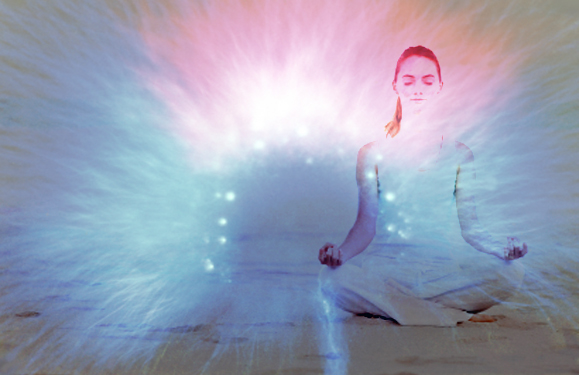 How do we stay out of the drama of life and take that drama and move into a place of higher conscious learning? First what is drama? Drama is conceived through getting wrapped up in a situation that happens instead of looking at why it is happening. Let’s say someone treats me with disrespect. If I lament about the situation and say things like, “I can’t believe she did that to me, she is such a nut job, what is wrong with her, she must be crazy,” or I keep the thoughts circling in my head, I am stuck in the drama of the situation. If I am stuck in the drama, I miss the higher learning.
The higher learning looks more like looking at what you have to learn from it, your wound around it and your old belief system attached to it. Maybe when you were younger your family didn’t respect your rights and therefore when it happens in your adult life, it triggers you. Then you proceed to do your work around healing that wound and not buying into the old belief system. This opportunity will be completely lost if you stay in the drama of the event.
Tips To Stay Out Of The Drama
1. Recognize your triggers. Anytime you are not at peace, you are triggered.
2. Step out of the trigger and connect it to your wound as a child.
3. Look at your old belief around the wound.
4. Don’t buy into the old belief, know it’s a lie.
5. Create a new belief and sink into it’s truth.
It is going to be impossible to create happiness and peace if you are not aware of your childhood wounds, your old beliefs, and how they make you react to certain situations. They key is getting to know yourself in a much deeper way. Look at how your life is showing up for you and you can get a good picture of how strong your old beliefs are. They only way to shift an old belief is to know where it came from and not to buy into it.
![Taking Action to Heal Our Childhood Wounds and Shift Our Limiting Beliefs]()
by Debra | Feb 22, 2014
What does living a conscious life mean exactly?

It means not sleeping on the job! It mean being awake! Going through your day with awareness, not being on autopilot. The majority of people on this planet are sleep walking and don’t know it. They get up in the morning, drag themselves to the coffee machine, take a shower, go to work, work, come home, fix dinner, watch a little TV, go to bed exhausted. Get up a repeat the same mundane experience over and over.
I try to live my life as consciously as possible by staying awake to what is going on in my day. I get up in the morning and greet my day and either hike in nature or sit and at least get a 5 minute meditation in. When I hike I go to a certain point on the hike and say v? my gratitudes and intentions for the day. This really sets the tone for paying attention to how my day unfolds. Meditation does the same thing. It grounds me in walking through my day awake. When I get to my office, down the hall, I look at my day and see what it has in store for me and how I might be able to affect the people in my day positively. Now, sometimes during the day I find myself going on autopilot, it’s natural, although I try to wake myself as soon as possible.
Another thing that happens to get in my way of living consciously is all the stimulation the world has to offer. My phone, emails, internet, my mind, everyday daily activities. It’s important to bring ourselves back to the present and look at what is important to us. It’s a daily practice To to look at how you want to live your life and take the action to do it.
A few questions to ask yourself would be:
1. Are you on Autopilot?
2. Are you doing what you love in your career?
3. Are you spending quality time with the ones you love?
4. Are you overweight and eating for comfort or out of habit?
5. Are you bored with your life?
6. Are you walking through your life not knowing what you want out of it?
7. Are you stuck in the drama of your life instead of the learning?
If you have answered yes to any of these questions, it might be time to WAKE UP!
I heard a great story about a man who knocks on his son’s door. “Jamie,” he says, “wake up!” Jamie answers, ” I don’t want to get up, Papa.” The father shouts, “Get up, you have to go to school.” Jamie says “I don’t want to go to school.” “Why not?” ask the father. “Three reasons,” says Jamie. “First, because it’s so dull; second the kids tease me; and third, I hate school.” And the father says, “Well, I am going to give you three reasons why you must go to school. First because it’s your duty; second, because you are forty-five years old, and third, because you are the headmaster,” Wake up, wake up! You’ve grown up. Your to big to be asleep.
It’s time to wake up, your to old to be asleep. if you need help waking up, looking at your life and how it’s not working for you, let’s talk about how you can be more conscious and live your life with more passion and zest.
![Taking Action to Heal Our Childhood Wounds and Shift Our Limiting Beliefs]()
by Debra | Jan 31, 2014
What do you see when you look at your life? What have you created in the outside world? By looking at the outside, you will know exactly what is going on, on the inside. If you believe the world is rude, harsh, and uncompromising, guess what? That is how it is going to show up for you.
If you have an old belief that no one shows up for you because your parents weren’t there for you, then it won’t be a coincidence that your primary partner and friends aren’t treating you like a priority.
What our world mirrors is due to our old belief system.
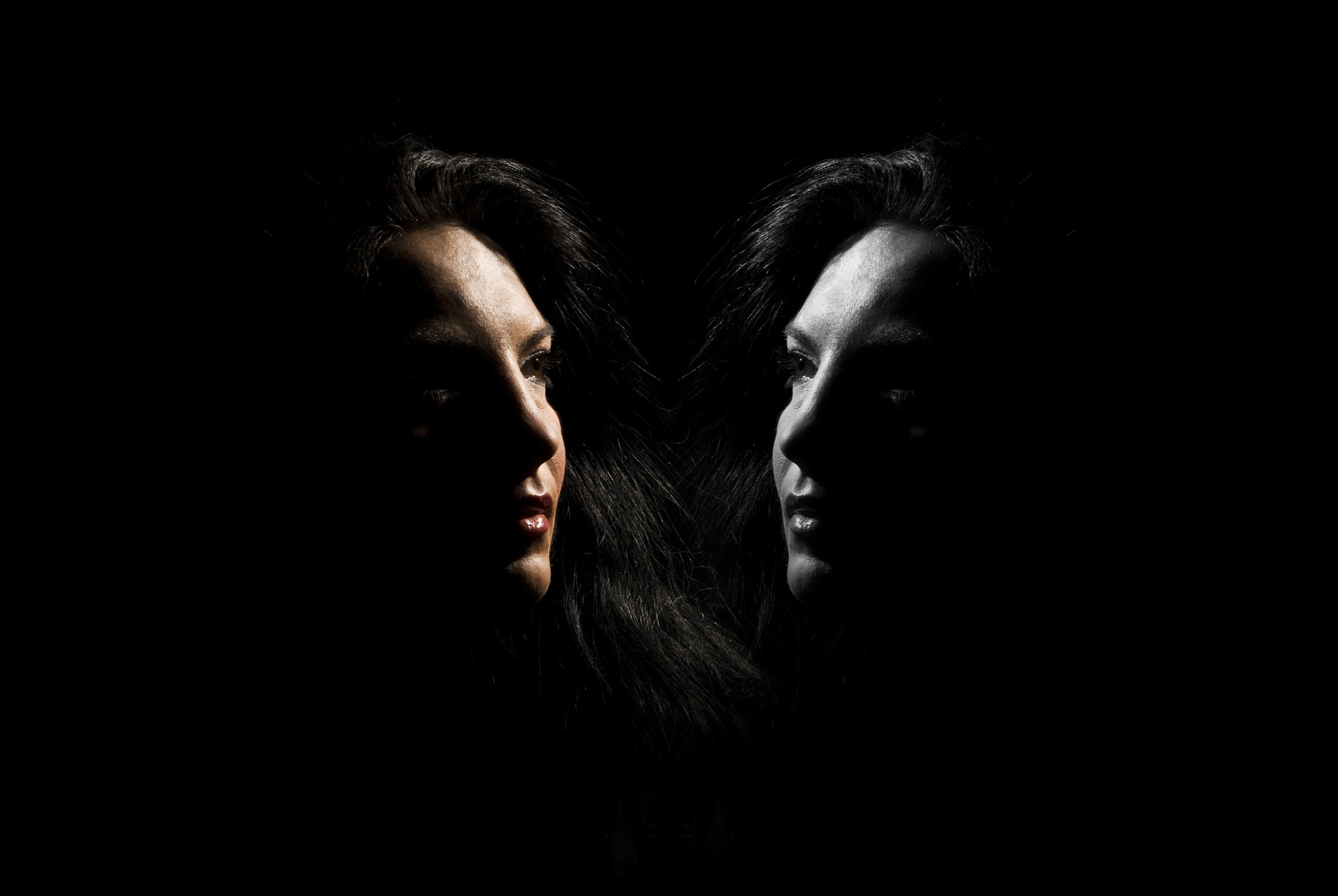
If your parents struggled financially or if you heard your father say you have to work hard for money, there will be a good possibility that you will be an adult with the belief system that money is hard to come by, and you have to work yourself to death to have a good life. The key is to have an understanding of your old belief system and then take the actions to change it. Just knowing the belief system isn’t good enough. If you don’t take the action to change it, it will never shift.
Let’s look at the belief that you have to work hard for money. If you want to shift that belief, you have to stop working 60-70 hours a week and incorporate some fun into your day and trust in the universe that everything is going to be okay. That doesn’t mean that you quit your job and start watching TV and hope for the best. It means you are reasonable and realize that working harder is only buying into your old belief system.
Work and enjoy it and then play and enjoy it. I see so many people working so hard they are too exhausted to have any fun. On your deathbed are you going to tell your family you wished you would have worked harder? I don’t think so. You would probably be really bummed that you didn’t spend more time having fun with family and friends.
If you think you won’t make enough money to support your family if you work less, your old belief is really strong! Look at this part of your life and reflect on how the old belief system is in play and then take it a step further and create a new belief system. Your new belief system might look like: I can work less and earn more or I can work 40 hours a week, have fun with my family and still be fine financially. Then the action that supports the new belief system has to be taken, which is simply working less, enjoying life more, and trusting in the universe!
![Taking Action to Heal Our Childhood Wounds and Shift Our Limiting Beliefs]()
by Debra | Jan 12, 2014

When we are 20 years old, we think we are invincible. Our body looks good and strong. Even though our emotions are all over the place, we can stuff them so deep that we hardly even know that they are there. It’s a pattern we have followed since childhood.
This response may work for us until we are well into our 30s. And then things change. Around our late 30s, we start having a hard time keeping that stuff down. It affects us in our body, in our mind, but most of all, in our heart and soul.
And then the quest to wholeness begins. This is a journey that is more adventurous than climbing Mount Everest, swimming the English Channel or surfing the pipeline in Hawaii. It is the topper of all toppers; it is life changing. It is a journey that takes us through our physical body and mind into the depths of our deeply deprived soul.
The journey to wholeness involves healing our wounded child to reconnect to our soul and source. This connection allows our physical healing to begin and brings us back to joy and openness so we can love and laugh as a child once again.
When we are children and have upsets, we store them in our body and carry them with us into adulthood until we start the healing process. Situations in our adult life will show up to give us the opportunity to heal what we could not cope with as a child. It’s not a coincidence that we recreate situations that make us feel the same way we felt when we were young.
All of our experiences in life are opportunities to learn and connect more deeply with ourselves. The more we connect to ourselves, the more healing we do. When a situation makes us feel angry, sad, sick to our stomach, fearful or off center in any way, our body expresses this discomfort by a physical contraction. This is a signal for us to reconnect with ourselves.
Check it out the next time something happens that makes you feel upset. Notice the discomfort in your body. Breathe into the discomfort and explore the feelings that come up. See if you can recognize the similarities between what is happening now and what you felt in your past. Also notice your behavior around the situation; often it will be that of a child.
So, what do we do with those painful situations? We can do many things. Some people react. They yell, pout and maybe even throw a fit. I’m sure you have seen adults behave in this way, and you probably thought, “That person is acting like a child.” That is exactly what is happening. They have been thrown into their childhood wounds, and they are re-experiencing the chaos, confusion and upset they felt as a child.
Often, this is such an uncomfortable place to be, that some people stuff the emotion. They don’t do or say anything; they just keep it in and let it sit in their bodies where the unexpressed feeling often causes dis-ease.
A healthier choice is to move through our upsets.
Have you ever seen a mother and child when the child is pulling on the mother for attention? First the child just tugs. When the mother ignores the child, the child gets more insistent and vocal. When the mother still does not respond, the child gets louder. Finally, after being ignored completely, the child throws herself on the floor and has a tantrum. This is exactly how the little girl inside of us feels when we don’t address upsets or contractions in our life. At first they don’t feel so bad, but after being ignored for a while, they start to feel huge. Imagine those upset feelings sitting in your body for an extended period of time. OUCH!
So how can we tend to our little girl by moving through our upsets? First, we have to notice when we are upset and realize that it’s okay to have those feelings. They are a normal part of life. Next, we train ourselves to pay attention to any situation that makes us feel off center in any way. Then we acknowledge those feelings and reflect upon them. We might say, “Wow! That really made me mad when she did that to me.” Finally, we go on to ask, “Why did this interaction or situation bother me? How did it make me feel emotionally and physically?”
Healing begins when we give ourselves the room to explore our feelings, to see where they came from. We might ask, “Did I feel this way as a child?” Chances are we did. By taking the time to pay attention, we are telling that little girl inside of us that we hear her and we are here for her. We acknowledge how hard it must have been for her and let her know that she is safe. (Sometimes journaling can help with this step or carrying on an imaginary conversation.)
Our journey through life is meant to be fun and exciting. Every time we connect with the child within us, our little girl dances and sings and unites with us. This allows our soul to remain joyful and open to all of the love that surrounds us.
When we heal our childhood wounds, we become happier and healthier. So let the healing begin!
Staying Connected, Debra
 To dramatically shift our beliefs requires taking the action that is the exact opposite of what our inner child tells us to do. That right action can be seen as our “higher self” telling our little girl/boy that she/he is not going to buy into the childhood wound and old limiting belief. Then, we must not do what our inner child is suggesting. In order to change our belief systems that come from our wounding, we, as the adult must take direct action.